Non-Emergency Medical Transport: What It Is, When to Use It, and What to Expect
A complete guide to scheduled medical transportation for patients and families
Quick Answer: Non-emergency medical transport is a scheduled ride service that helps patients get to and from medical care when they do not need 911 or emergency ambulance response. It includes ambulatory, wheelchair, and stretcher options based on mobility needs.
What Is Non-Emergency Medical Transport?
Non-emergency medical transport—often called NEMT—is a scheduled transportation service designed for patients who need to reach medical appointments but don’t require emergency ambulance response. Think of it as the bridge between driving yourself and calling 911: professional, medically-aware transportation that matches the vehicle and crew to your mobility needs.
Unlike rideshare services or standard taxis, NEMT providers understand medical appointments. We know discharge windows slip, dialysis runs long, and mobility equipment requires proper securement. Our crews are trained specifically for medical transport—not just driving.
NEMT covers three main service levels:
- Ambulatory transport for patients who can walk with minimal assistance
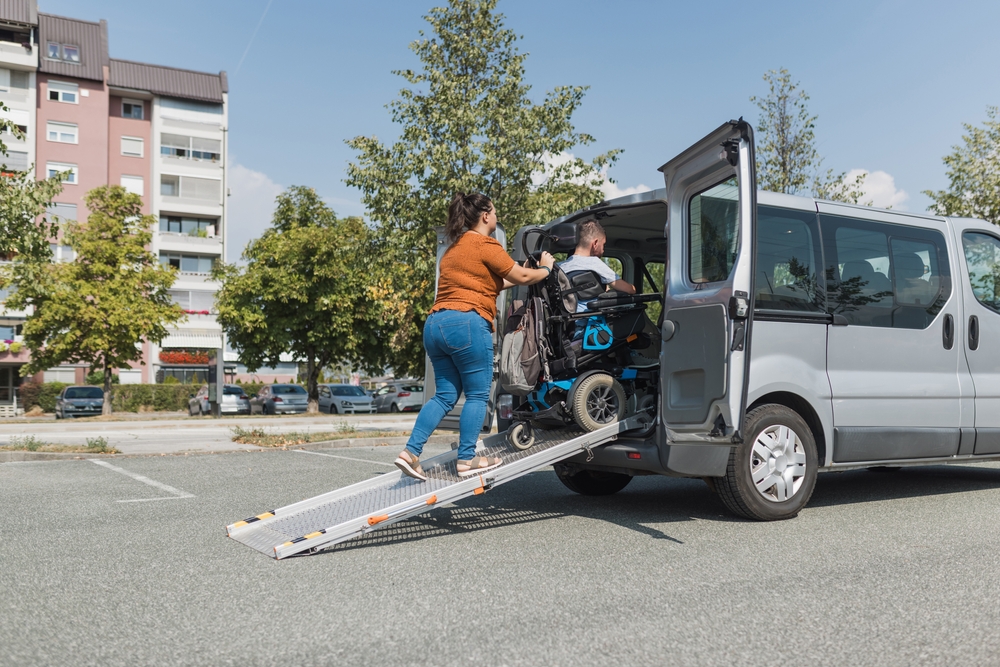
- Wheelchair transport for patients who use wheelchairs and need accessible vehicles with ramps or lifts
- Stretcher transport for patients who must remain lying down during transport but don’t need emergency medical intervention
The right service level depends on your mobility status, not the urgency of your appointment. A routine dialysis patient who cannot sit upright needs stretcher transport. A post-surgery patient walking with a cane needs ambulatory service. Matching the vehicle to the patient prevents complications and ensures a safe, comfortable ride.
When Do People Use Non-Emergency Medical Transport?
NEMT handles the medical trips that aren’t emergencies but still require reliable, professional transportation. Here are the most common scenarios:
Hospital Discharges
When you’re cleared to leave the hospital, you need transportation that arrives on time and handles your discharge paperwork smoothly. Discharge transport often involves wheelchairs, mobility equipment, and coordination with hospital staff—not something a standard rideshare handles well.
Facility Transfers
Moving from one care facility to another—hospital to rehab, nursing home to specialist, or rehab to home—requires transport crews who understand medical handoffs. The receiving facility needs documentation. The sending facility needs confirmation. NEMT providers manage that communication.
Dialysis Appointments
Dialysis patients often travel three times per week, every week. Reliability isn’t optional. A missed dialysis appointment creates real medical consequences. Recurring NEMT service means the same crews understand your schedule, your mobility needs, and your pickup preferences.
Cancer Treatment
Chemotherapy and radiation appointments happen on strict schedules, often when patients feel their worst. NEMT provides consistent, compassionate transport when driving yourself isn’t safe or possible. Our crews understand that some days are harder than others.
Rehabilitation Sessions
Physical therapy, occupational therapy, and cardiac rehab all require regular appointments over weeks or months. NEMT keeps patients moving toward recovery without depending on family members who may have work or other obligations.
Recurring Medical Appointments
Specialist visits, wound care, infusion therapy, and chronic condition management all benefit from scheduled medical transport. When you can’t drive and public transit isn’t accessible, NEMT fills the gap.
What Information Do You Need to Schedule Transport?
Booking medical transport works best when you provide complete trip details upfront. Missing information creates delays, and delays in medical transport cause real problems—missed appointment windows, extended discharge holds, and frustrated families.
Here’s what we need to schedule your ride:
Pickup and Destination Addresses
Full addresses including suite numbers, building names, and any gate codes. For facilities, let us know which entrance to use. “The back entrance by the loading dock” saves time if that’s where your patient will be waiting.
Appointment Time
We schedule based on appointment time, not pickup time. Tell us when you need to arrive, and we’ll calculate the pickup window based on distance and traffic patterns. This prevents both rushing and excessive early arrivals.
Mobility Status
This determines which vehicle we send:
- Ambulatory: Patient walks independently or with minimal assistance (cane, walker)
- Wheelchair: Patient uses a wheelchair and requires accessible vehicle with lift or ramp
- Stretcher: Patient must remain lying down during transport
If mobility status changes between booking and pickup, call us immediately. Sending the wrong vehicle means starting over.
Escort or Companion Needs
Will a family member, caregiver, or medical escort travel with the patient? Most NEMT vehicles accommodate one or two companions. Let us know during booking so we plan accordingly.
Special Equipment
Oxygen tanks, IV poles, feeding pumps, or other medical equipment require advance notice. We need to ensure the vehicle can safely secure everything.
Facility Contact Information
For discharges and transfers, we need a contact number at the facility—someone who can confirm the patient is ready and provide updates if timing changes.
What Should You Expect for Communication and Accountability?
Medical transport fails when communication breaks down. A crew sitting in the parking lot while a patient waits inside the building wastes everyone’s time and creates anxiety during already stressful situations.
Here’s what professional NEMT communication looks like:
Proactive Dispatch Updates
Our dispatch team monitors every active trip. If traffic delays your crew, we notify the pickup location before you have to call and ask. If a discharge runs late, we adjust scheduling rather than leaving a vehicle idling for hours.
Real-Time Communication
Every crew carries communication equipment. Dispatchers can reach drivers, and drivers can reach dispatchers. When situations change—and in medical transport, they often do—information flows immediately.
Confirmation Calls
For scheduled pickups, expect a confirmation call or text the day before your appointment. This catches address errors, timing changes, and mobility updates before they become day-of problems.
Arrival Notification
When your crew arrives at the pickup location, you’ll know. We don’t expect patients to guess when to head outside or watch for vans from hospital windows.
Accountability for Every Trip
Every trip has a record. Pickup times, arrival times, crew assignments, and any incidents get documented. If something goes wrong, we can trace exactly what happened and prevent it next time.
What Does the Transport Experience Look Like?
The transport itself should feel professional, respectful, and safe. Here’s what that means in practice:
Dignity-Focused Patient Handling
Our crews are trained in proper patient handling techniques—not just for safety, but for dignity. Moving someone from bed to stretcher or assisting a transfer to a wheelchair requires care and respect. Patients aren’t cargo.
For stretcher patients, this means proper lift techniques, smooth transitions, and continuous communication about what’s happening. For wheelchair patients, it means securing chairs correctly and navigating ramps without jarring movements. For ambulatory patients, it means offering an arm when needed and matching pace to ability.
Clean, Well-Maintained Vehicles
Medical transport vehicles get cleaned between patients. Stretcher linens are changed. Surfaces are sanitized. Vehicles undergo regular maintenance and safety inspections. You should never board a medical transport vehicle that smells, looks dirty, or shows obvious mechanical neglect.
Safe Securement
Wheelchairs get locked into floor mounts designed for that purpose. Stretchers secure to the vehicle frame. Patients wear seatbelts appropriate to their position. Medical equipment gets strapped or secured separately. Proper securement isn’t optional—it’s the baseline.
Professional Crews
NEMT crews aren’t just drivers. They’re trained in patient handling, emergency procedures, and medical transport protocols. They understand HIPAA confidentiality requirements. They know how to communicate with hospital staff and navigate medical facilities. When complications arise, they respond appropriately rather than panicking or freezing.
Climate-Controlled Comfort
Vehicles maintain appropriate temperatures. Patients recovering from surgery or managing chronic conditions don’t need extreme heat or cold during transport. Climate control is part of the service.
Understanding Compliance: HIPAA and Documentation
Medical transport involves protected health information. Your diagnosis, your destination facility, your mobility status—all of this is private medical information that requires proper handling.
HIPAA Training
Every member of our team—dispatchers, crews, office staff—completes HIPAA training. We understand what information we can share, with whom, and under what circumstances. Your medical details don’t become conversation fodder.
Minimum Necessary Information
We collect only the information required to provide safe, appropriate transport. We need your mobility status to send the right vehicle. We don’t need your complete medical history.
Documentation Flow
Trip documentation follows established protocols. Records go where they need to go—receiving facilities, insurance verification, billing—and nowhere else. Paper records are secured. Electronic records are protected.
Insurance and Billing Compliance
When insurance covers NEMT, documentation requirements increase. We handle prior authorizations, maintain required records, and provide documentation for claims. Compliance isn’t just about privacy—it’s about ensuring your coverage applies correctly.
Ready to Schedule? Here’s What Happens Next
Booking non-emergency medical transport involves three decisions:
1. Choose Your Transport Level
Based on mobility status:
- Ambulatory if the patient walks independently or with minimal assistance
- Wheelchair if the patient uses a wheelchair
- Stretcher if the patient must remain lying down
Not sure which level you need? We’ll ask questions during scheduling to determine the right match.
2. Confirm Your Timing
Provide your appointment time, and we’ll work backward to determine pickup. For discharges, give us your expected discharge window—we’ll coordinate with the facility as timing firms up.
For recurring appointments like dialysis, we’ll set up a regular schedule so you’re not rebooking every week.
3. Establish Your Escalation Contact
Who should we call if something changes? Give us a phone number for someone who can make decisions—whether that’s the patient, a family member, or a facility coordinator. When discharge times shift or appointments run late, we need someone who can authorize schedule adjustments.
Book Your Transport Now
Chris Abbott Transport provides reliable non-emergency medical transport throughout our service area. Family-owned and operated, we’ve built our reputation on showing up when we say we will and treating every patient with dignity.
Available 24/7 for scheduling and dispatch.
[Book Now] or call (541) 527-1425 | [Call for Scheduling: (XXX) XXX-XXXX]
Key Takeaways
Related Resources
Chris Abbott Transport is a family-owned non-emergency medical transportation provider offering ambulatory, wheelchair, and stretcher services. Our trained crews and 24/7 dispatch ensure reliable, dignified medical transport for patients throughout our service area.
Instant Pricing
Wondering What Your Trip Will Cost?
Get an accurate fare estimate in seconds — no phone call required. Enter your pickup and dropoff to see exact pricing.