
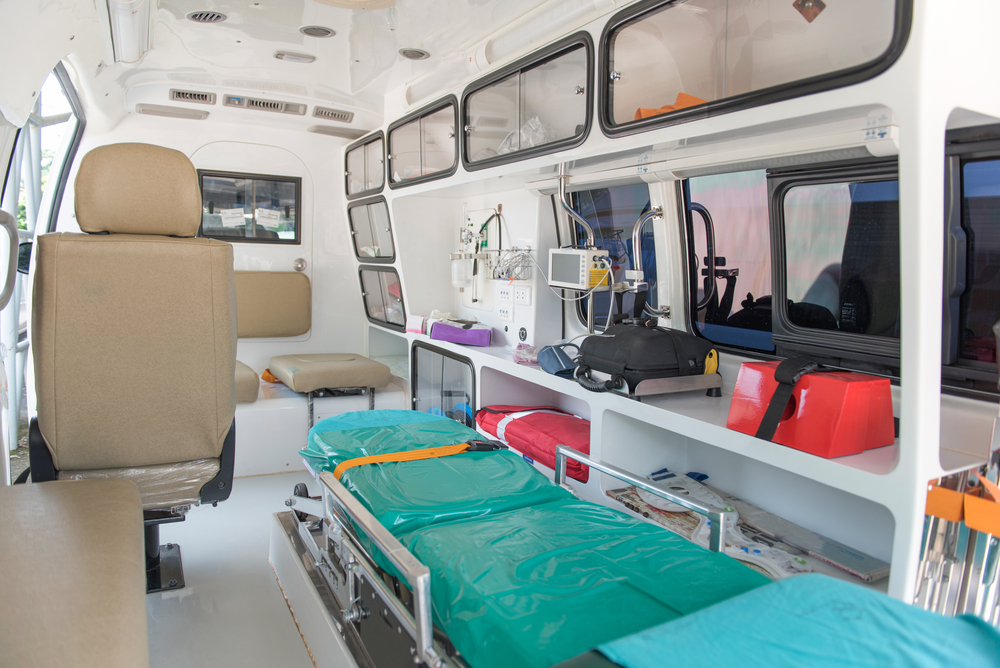
What Does Stretcher Transport Include?
When sitting isn’t safe, stretcher transport gets your loved one where they need to be—comfortably, safely, and with dignity.
What Is Stretcher Transport?
Stretcher transport is bed-to-bed medical transportation for patients who cannot sit upright during travel. Unlike wheelchair-accessible vans or standard medical transport, stretcher service keeps patients in a reclined or fully supine position throughout the entire trip—from pickup to destination.
This isn’t an ambulance. It’s non-emergency medical transportation (NEMT) designed specifically for patients whose medical condition, comfort, or safety requires them to remain lying down. The patient stays on the stretcher from their bed or room, through transport, and directly to their destination bed or exam area.
How Do You Know If You Actually Need Stretcher Transport?
Not every patient needs a stretcher—and not every patient who could sit in a wheelchair should. Here are the practical indicators that stretcher transport is the right choice:
Medical Indicators
The Simple Test
Ask yourself: Can this patient safely sit upright in a wheelchair for the entire ride—including loading, travel time, and unloading?
If there’s any doubt, stretcher transport is the safer choice. An unsafe transfer or a patient who can’t tolerate the ride creates medical risk, delays, and unnecessary suffering.
What Professional Stretcher Transport Actually Includes
Not all stretcher services are equal. Here’s what quality stretcher transport should provide:
Trained Two-Person Crew
Every stretcher transport requires a minimum of two trained crew members. This isn’t optional—it’s essential for:
- Safe patient handling during transfers
- Proper lifting and positioning
- Managing the stretcher on stairs, ramps, and through tight spaces
- Monitoring the patient throughout transport
- Responding to any comfort or medical needs during the ride
Our crews are trained in safe patient handling techniques, body mechanics, and working with patients who have complex mobility needs.
Specialized Equipment
Hydraulic lift stretchers — Adjustable height for smooth transfers from bed to stretcher and back. No awkward lifting heights, no unnecessary patient movement.
Secure mounting systems — The stretcher locks into the vehicle with multiple securement points. Your loved one isn’t sliding around—they’re held firmly and safely in place.
Climate-controlled vehicles — Medical transport vehicles maintain comfortable temperatures year-round. This matters especially for patients who are already uncomfortable or medically fragile.
Adequate space — Our vehicles have room for a family member to ride along when appropriate, and enough clearance for our crew to attend to the patient during transport.
Bariatric and Complex Mobility Capabilities
Some patients have needs that exceed what standard stretcher services can accommodate. We’re equipped to handle:
- Bariatric patients — Stretchers and equipment rated for higher weight capacities
- Patients with multiple medical devices — IV poles, oxygen, monitoring equipment
- Complex transfer situations — Unusual home layouts, narrow doorways, stairs
- Patients who have been turned away elsewhere — We take the calls others can’t handle
If you’ve been told another company can’t accommodate your patient, call us. We’ll tell you honestly whether we can—and if we can, we will.
How Pickup and Drop-Off Actually Work
Understanding the process reduces stress for everyone involved. Here’s what to expect:
Hospital Discharge
Our crew arrives at the patient’s hospital room—not the lobby. We coordinate with nursing staff for a safe transfer from the hospital bed to our stretcher. All necessary paperwork and belongings come with the patient. We deliver directly to the destination, whether that’s home, a rehab facility, or another medical setting.
Rehab Facility Transfers
Moving between rehabilitation facilities or from rehab to home follows the same bed-to-bed principle. We work with facility staff to ensure timing aligns with medication schedules, therapy appointments, and discharge procedures.
Skilled Nursing Facility Transport
Whether transporting to a SNF from a hospital or taking a SNF resident to a medical appointment, our crew handles all lifting and positioning. Facility staff focus on patient care—we handle the transportation logistics.
Home Settings
Home pickups require a bit more planning. We assess access points, doorway widths, stairs, and the best path from the patient’s bed to our vehicle. For regular appointments, we note these details so subsequent trips go smoothly.
What we need from you:
- Clear access to the patient’s location
- Any pets secured away from the transfer path
- Information about stairs, elevators, or access challenges
- Medical equipment that needs to travel with the patient
Scheduling and Timing
Planned Transports
For scheduled appointments, discharges, or facility transfers, booking 24-48 hours ahead ensures availability and allows time to gather any special requirements.
Short-Notice and Same-Day Needs
We understand that medical situations don’t always follow a schedule. Discharge orders come through unexpectedly. Appointments get moved. Conditions change.
We accommodate same-day and short-notice requests whenever possible. Call us—even if you think it’s too last-minute. We’ll tell you what we can do.
What Affects Timing
What to Say When You Call
Making the call is easier when you know what information helps. Here’s a simple script:
“I need to schedule stretcher transport. The patient cannot sit up and needs to stay lying down during transport.
> Pickup location: [Hospital name and room number / Home address / Facility name]
> Destination: [Address and type of location]
> Date and time needed: [Specific time or window]
> Special needs: [Bariatric / oxygen / IV / stairs at home / specific medical equipment]
> Contact number: [Best number for coordination]”
That’s it. We’ll ask any additional questions we need and confirm the details.
When Stretcher Transport Isn’t Necessary
We want to provide the right service for each patient’s actual needs—not oversell you on services you don’t require.
A wheelchair van may be appropriate if the patient:
- Can transfer to a wheelchair with assistance
- Can tolerate sitting for the duration of the trip
- Has no medical restrictions requiring supine positioning
- Is stable and comfortable in a seated position
If you’re unsure which service level is right, call us. We’ll ask the right questions and recommend the appropriate transport type. Our goal is getting your patient where they need to go safely—not billing for services they don’t need.
The Bottom Line
Stretcher transport exists for patients who cannot safely or comfortably sit up during medical transportation. The service should include specialized equipment, trained crews, and the capability to handle complex situations—because that’s what these patients require.
When you’re arranging transport for someone who’s bed-bound, post-surgical, in hospice care, or dealing with complex mobility challenges, stretcher transport isn’t a luxury. It’s the appropriate level of care.
Questions about whether stretcher transport is right for your situation? Call us. We’ll help you figure out exactly what you need.
Book Now for Discharge or Transfer Scheduling →
Related Resources
Chris Abbott Transport serves [Service Area] with professional non-emergency medical transportation. We specialize in stretcher transport, wheelchair transport, and complex mobility solutions for patients who need more than standard transportation can provide.
Instant Pricing
Wondering What Your Trip Will Cost?
Get an accurate fare estimate in seconds — no phone call required. Enter your pickup and dropoff to see exact pricing.