
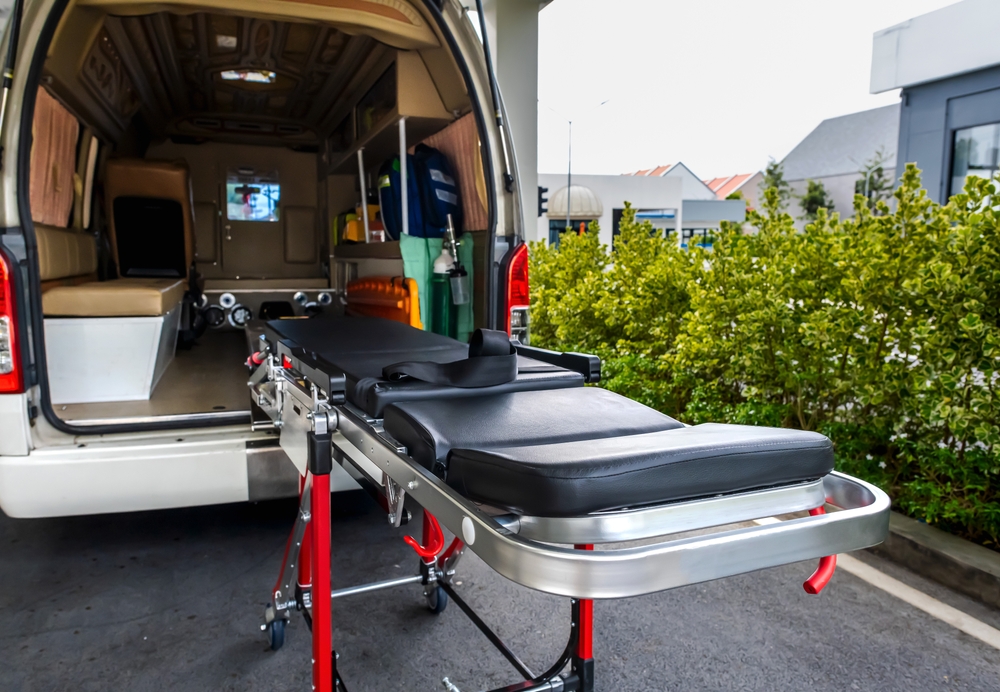
How to Prepare a Patient for Stretcher Transport
A step-by-step guide to ensuring smooth, safe stretcher pickups for patients who cannot sit upright during medical transport.
Quick Answer
Prepare for a stretcher transport pickup by confirming the patient cannot sit upright safely, verifying the exact pickup location, and sharing destination contact details during booking. Ask dispatch to confirm a stretcher vehicle and trained crew.
Why Preparation Prevents Problems
Stretcher transport requires more coordination than standard wheelchair or ambulatory trips. When a patient needs to remain lying down throughout transport, everything from doorway clearance to crew assignments must align before the pickup vehicle arrives.
A prepared patient and clear pickup plan prevent delays that can cascade into missed appointments, facility scheduling conflicts, and unnecessary stress for everyone involved. Taking fifteen minutes to confirm readiness details saves hours of confusion on transport day.
Step 1: Confirm the Patient Requires Stretcher-Level Care
Before booking, verify the patient genuinely needs stretcher transport rather than a reclining wheelchair or ambulatory service.
Stretcher transport is appropriate when the patient:
- Cannot sit upright at a 45-degree angle or greater
- Has spinal instability or recent back surgery requiring a flat position
- Is on continuous oxygen or IV that cannot be managed while seated
- Has severe pressure wounds that prevent sitting
- Is too weak to maintain seated posture safely
- Is post-operative with positioning restrictions
Confirm with medical staff:
- Current mobility status and weight-bearing limitations
- Required positioning during transport (fully flat, slightly elevated)
- Medical equipment that must travel with the patient
- Oxygen flow rate if supplemental O2 is needed
If there’s any uncertainty, describe the patient’s condition to dispatch when booking. CATS crew can help determine the appropriate service level.
Step 2: Gather Patient Information for Booking
Have these details ready when you call to schedule:
Patient basics:
- Full legal name (matching facility records)
- Date of birth
- Current weight (accurate within 10 pounds)
- Height
- Primary diagnosis or reason for transport
Medical considerations:
- Oxygen requirements (liters per minute, continuous or PRN)
- IV lines or pumps that must remain connected
- Wound VAC or drainage devices
- Cardiac monitoring needs
- Infection precautions (isolation type if applicable)
- Behavioral considerations the crew should know
Insurance information:
- Insurance carrier and member ID
- Prior authorization number if required
- Secondary insurance if applicable
Step 3: Prepare the Pickup Location
Stretcher gurneys need more clearance than wheelchairs. Walk through the path from patient to curb before transport day.
Inside the building:
- Confirm elevator availability (stretchers don’t fit in standard elevators—freight or medical elevator needed)
- Measure doorway widths (minimum 32 inches, ideally 36+ inches)
- Clear hallway obstructions (furniture, equipment, cords)
- Identify the room number and floor clearly
Outside access:
- Confirm vehicle access point (ambulance bay, covered entrance, street-level door)
- Verify no steps between building exit and vehicle loading area
- Note any construction, locked gates, or parking restrictions
- Identify pull-through space for stretcher vehicle (standard parking spots often don’t work)
Communicate access details when booking:
- “Use the emergency department entrance on Oak Street”
- “Ring bell at side door—main entrance has steps”
- “Freight elevator code is 4521”
Step 4: Prepare Documentation for the Handoff
Have paperwork organized and ready before the crew arrives.
Required documents:
- Physician order for transport (PCS form if Medicare)
- Face sheet or patient demographics
- Current medication list
- Advance directives or DNR status if applicable
- Insurance cards (copies acceptable)
Helpful additions:
- Discharge summary or transfer paperwork
- Recent vital signs
- Contact number for sending facility nurse
- Special instructions from physician
Keep documents in a sealed envelope labeled with patient name and destination. Hand directly to the transport crew lead.
Step 5: Confirm Destination Details
The receiving facility needs accurate information to prepare for arrival.
Gather and verify:
- Facility name and full address
- Department or unit (radiology, oncology clinic, skilled nursing wing)
- Contact person’s name and direct phone number
- Scheduled appointment time
- Check-in location vs. final destination (if different)
- Any special arrival instructions
Call ahead on transport day:
- Confirm the appointment is still scheduled
- Verify the destination is ready to receive the patient
- Share the estimated arrival time once transport begins
Step 6: Address Bariatric Considerations
Patients over 300 pounds require bariatric stretcher transport. This isn’t optional—it’s about equipment safety ratings and crew capability.
For bariatric transports, confirm:
- Accurate current weight (weigh if uncertain)
- Weight distribution considerations (limb edema, body habitus)
- Wider stretcher availability with CATS dispatch
- Adequate crew (bariatric transfers typically require additional personnel)
- Doorway and hallway clearance for wider stretcher (minimum 42 inches ideal)
Equipment considerations:
- Bariatric stretchers have weight limits—usually 700-1000 pounds depending on model
- Slide boards or lateral transfer devices may be needed
- Hospital bed should be at appropriate height for transfer
Be direct about weight. Underestimating causes dangerous situations and transport failures. CATS treats this information confidentially and uses it solely for safe equipment matching.
Step 7: Plan for Access Constraints
Some locations present challenges that require advance coordination.
Common access issues:
- Residential homes with narrow hallways or tight corners
- Older buildings without elevator access
- Rural properties with long driveways or uneven terrain
- Facilities with locked units requiring escort
- Construction zones blocking normal access routes
Solutions to discuss with dispatch:
- Stair chair for portion of transport (patient must tolerate brief seated position)
- Alternative entrance identification
- Scheduled escort from facility security
- Specific parking arrangements for oversized vehicles
If access is truly impossible (second floor with no elevator, patient cannot sit at all, doorways under 32 inches), discuss options with CATS. Some situations require fire department lift assist or facility-side solutions before transport is feasible.
Step 8: Handle Privacy and Confidentiality
Stretcher patients are more exposed during transport than ambulatory passengers. Maintain dignity throughout the process.
Privacy considerations:
- Cover patient appropriately with sheets during any public area transit
- Keep medical discussions away from public areas
- Ensure paperwork is in sealed envelope, not visible
- Limit information shared to what crew needs for safe transport
HIPAA reminders:
- Transport crew are trained on patient privacy
- Family members riding along does not change confidentiality obligations
- Photos or social media posting during transport is prohibited
Dignity matters:
- Address patient by preferred name
- Explain what’s happening before moving
- Allow patient to wear personal clothing or robe if medically appropriate
Step 9: Time the Transfer Appropriately
Stretcher patients shouldn’t wait on the gurney any longer than necessary.
Timing coordination:
- Don’t move patient to stretcher until crew arrives and is ready
- Keep patient in bed until final transfer moment
- Have all belongings, paperwork, and medications gathered in advance
- Confirm family or staff know the pickup window
When CATS arrives:
- Crew will check in at nurse station or reception
- Brief handoff report covers patient status and any changes
- Vital signs should be recent (within 4 hours for routine transport)
- Patient should be ready to transfer, not finishing meals or procedures
Build in buffer time. If the appointment is at 2:00 PM and travel takes 30 minutes, don’t schedule pickup at 1:30. Allow time for loading, securing, traffic, and unloading. An hour of buffer is reasonable for most stretcher transports.
Key Takeaways
✓ Stretcher pickups run smoothly when readiness and location details are confirmed upfront—accurate weight, clear access paths, and correct equipment matching prevent day-of failures.
✓ Arrival confirmation helps staff time the transfer without long waits—call the receiving facility and coordinate pickup timing so patients spend minimal time on the stretcher before necessary.
✓ Real-time updates and correct vehicle matching prevent day-of problems and delays—communicate honestly about patient needs and facility access limitations during booking.
Printable Stretcher Transport Checklist
Before Booking
Location Preparation
Documentation Ready
Destination Confirmed
Bariatric Considerations (if applicable)
Day of Transport
Ready to Schedule Stretcher Transport?
CATS dispatch can help you confirm all readiness details when you book. If you’re unsure whether stretcher service is needed or have questions about access limitations at your facility, call and talk through the situation.
Book Now: Schedule Online or call (541) 527-1425
Our team will confirm the right vehicle, verify equipment needs, and coordinate timing so the transport runs smoothly from first call to final destination.
Chris Abbott Transport serves Central and Eastern Oregon with wheelchair, stretcher, and bariatric non-emergency medical transportation. Available 24/7 for scheduled and urgent transport needs.
Instant Pricing
Wondering What Your Trip Will Cost?
Get an accurate fare estimate in seconds — no phone call required. Enter your pickup and dropoff to see exact pricing.